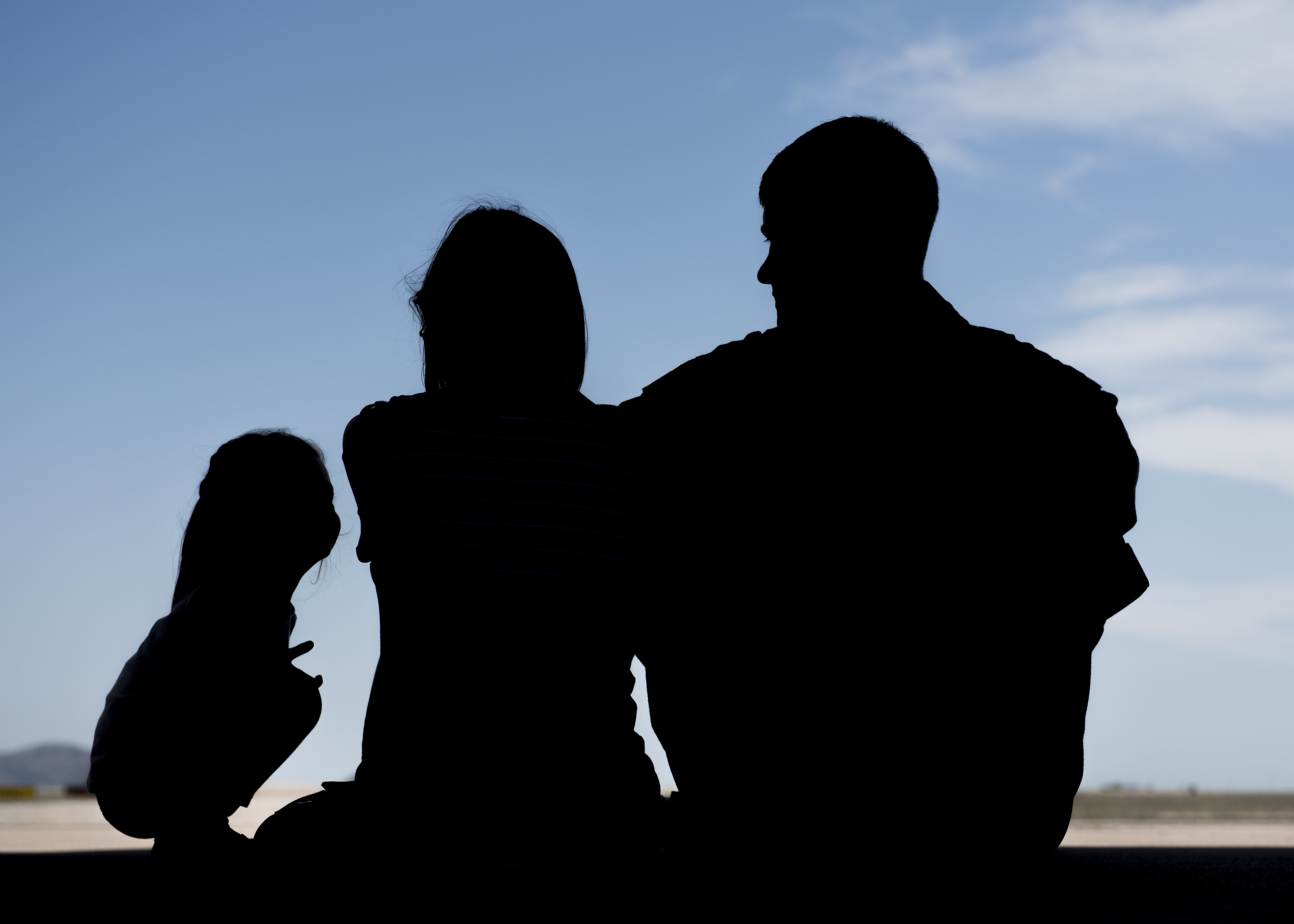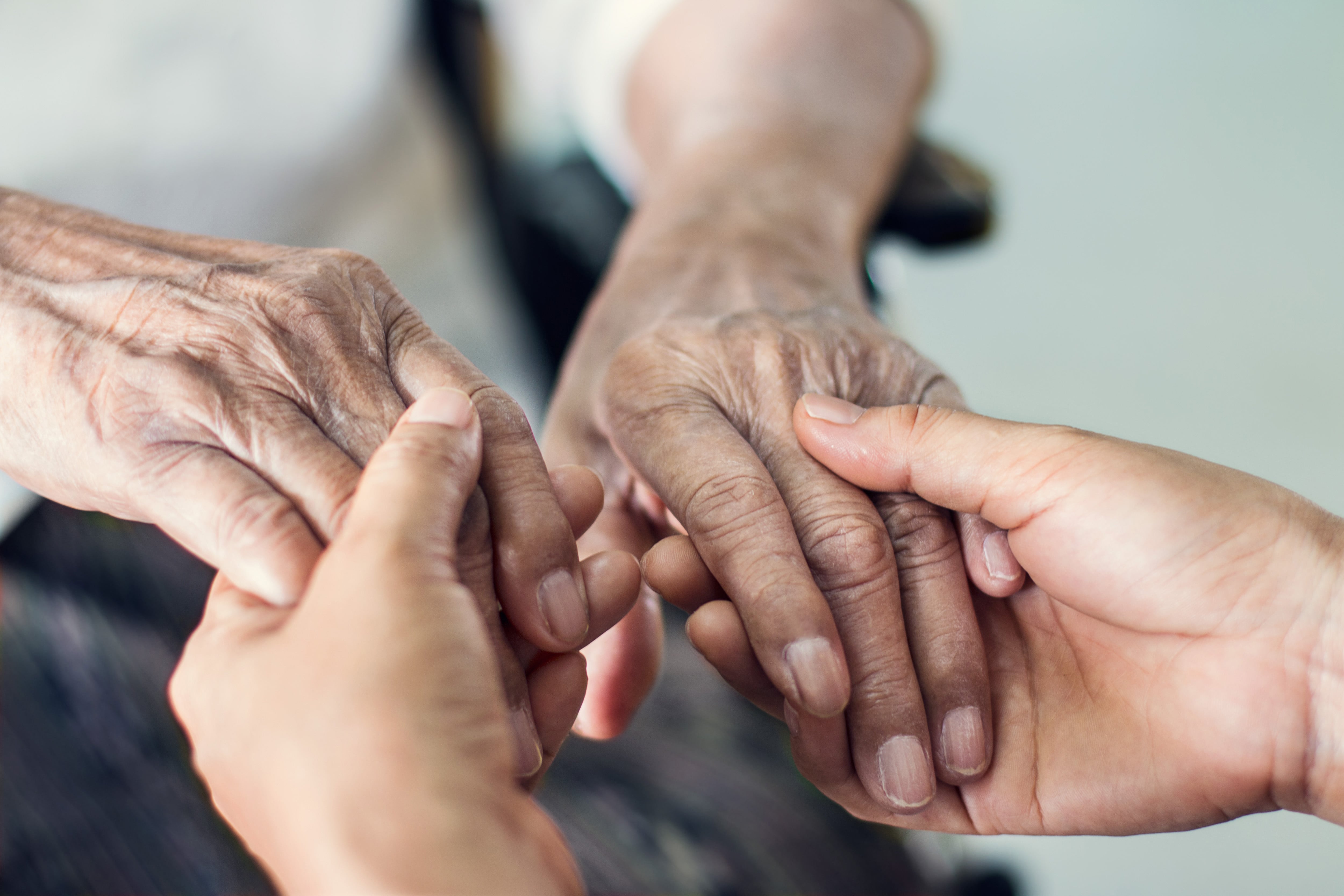
Having just finished National Family Caregivers Month, we’re reminded that honoring the families who care for our nation’s veterans and service members must include their children and siblings. In homes across America, children help a wounded, ill, or injured parent, sibling, or relative prepare medications, manage symptoms, coordinate appointments, and steady the household when the day gets hard. These young citizens are “hidden helpers.” Their service doesn’t earn medals, but it deserves our nation’s attention and action.
Four years ago, the Elizabeth Dole Foundation (EDF) and Wounded Warrior Project® (WWP), alongside White House officials and more than a hundred partners, launched the Hidden Helpers Coalition to change that—to make sure these children, teens, and young adults are seen, supported, and set up to thrive. What began as an intentional effort to listen has grown into a coordinated endeavor that brings together schools, pediatric and behavioral health providers, youth organizations, employers, and community leaders to actively support hidden helpers and their parents. Together, we’re closing gaps that once left families to navigate impossible choices alone.
That commitment came into sharp focus during this year’s Hidden Helpers Summit at Walt Disney World in Orlando. We heard elementary, middle, and high-schoolers speak about the pride they feel in caring for a parent—and the worry they carry when pain flares or difficult memories intrude. We didn’t just hear them; we formed solutions with them. With families and partners, we introduced two practical resources designed for and with hidden helpers: a Hidden Helpers Journey Map, powered by WWP, to guide kids and caring adults through the twists and turns of the caregiving experience, and an Activity Book that helps build coping skills for younger children. These aren’t glossy brochures. They are tools born of lived experience, designed to help our young caregivers reflect on their caregiving experience, identify their strengths, and identify sources of support.
Leading through Partnership
Partnership is the point. No single organization can meet the growing needs of veterans and their youth caregivers.
At the forefront, WWP exists to reconnect every warrior with a path of hope and renewed purpose following military service. The organization believes that families and caregivers of all ages play a vital role in this journey, which is why it invests in programs that meet warriors and families where they are. WWP understands the resounding impact of a network of collaboration and care. WWP administers community grants that augment its own programming and expand mental health care, respite, and enrichment for kids, among other crucial investments.
EDF is a longtime WWP community partner and has spent more than a decade elevating caregivers’ voices into policy and practice—ultimately bettering the outcomes for those whom they care for—by helping advance reforms at the VA, improving how care teams understand and include caregivers in veterans’ treatment and recovery, and commissioning research so solutions are grounded in facts, not assumptions. The picture is clear: caregiving demands time, emotional energy, and financial sacrifice; children absorb those pressures, too. The Hidden Helpers Coalition exists to turn that reality into a national responsibility.
We have seen what works. A teacher who understands why an assignment is late after a night in the ER with Dad. A clinic that brings a social worker into the exam room so a 12-year-old doesn’t have to be the translator for Mom. An employer who offers flexibility for a therapy appointment—and a stipend that covers childcare or transportation. None of these acts make headlines. Together, they change a hidden helper’s childhood for good.
The work ahead is not abstract. It is practical and urgent. We call o leaders at every level—school boards and superintendents, mayors and governors, Congress and VA—to make hidden helpers a priority by investing in respite and mental-health supports, integrating simple identification and referrals in schools and pediatric care, and backing the community partners families already trust. We are expanding training so educators, counselors, and pediatric providers can spot caregiving stress early and connect families to help without stigma or red tape. We are scaling the Hidden Helpers Journey Map and Activity Book so they’re easy to find—in schools, community clinics, VA facilities, and online—because families shouldn’t have to hunt for support. And we are widening the circle of commitment, inviting businesses, youth organizations, local governments, and neighbors to adopt simple, concrete practices that lighten the load at home.
See Them. Support Them.
As we enter the holiday season, many of us are reminded to reflect on the often unsung heroes in our lives—the families caring for our nation’s veterans and service members. For millions of American families, the service is ongoing—at kitchen tables, in waiting rooms, and during quiet moments when a child steadies a parent’s hand. Our promise to those who served must include the children who still do. America’s youth caregivers need our support—not with sympathy, but with systems that work; not with applause, but with access; not someday, but now.
We know what partnerships can accomplish. We have seen it in policy milestones, in new tools co-designed with families, and in the relief on a child’s face when support finally arrives. With the strength of this coalition and the generosity of our supporters, we can ensure no hidden helper feels invisible, and every young caregiver has the recognition, resources, and room to be a kid. That is how a grateful nation honors service — by standing with the families who live it every day.
Note to editor: Steve Schwab is CEO of the Elizabeth Dole Foundation. Lt. Gen. (Ret.) Walter Piatt is CEO of Wounded Warrior Project.