In the early American military, specifically the Continental Army during the Revolutionary War, food, logistics, medicine and morale were inseparable. Chocolate and cocoa fit that world neatly. They were calorie-dense, easy to transport and more shelf-stable than most comforts soldiers could count on.
By the middle years of the Revolutionary War, chocolate was part of the ecosystem of soldiering, consumed as a hot beverage and valued for energy when supply lines snapped, or pay fell behind. The Smithsonian Institution notes that Americans have been consuming chocolate since colonial times and points to the Continental Army’s use of it during the Revolution, as detailed in its examination of chocolate as a fighting food.
Even then, chocolate’s value was not only nutritional. It was psychological, a reminder that life extended beyond cold marches and unappetizing food.
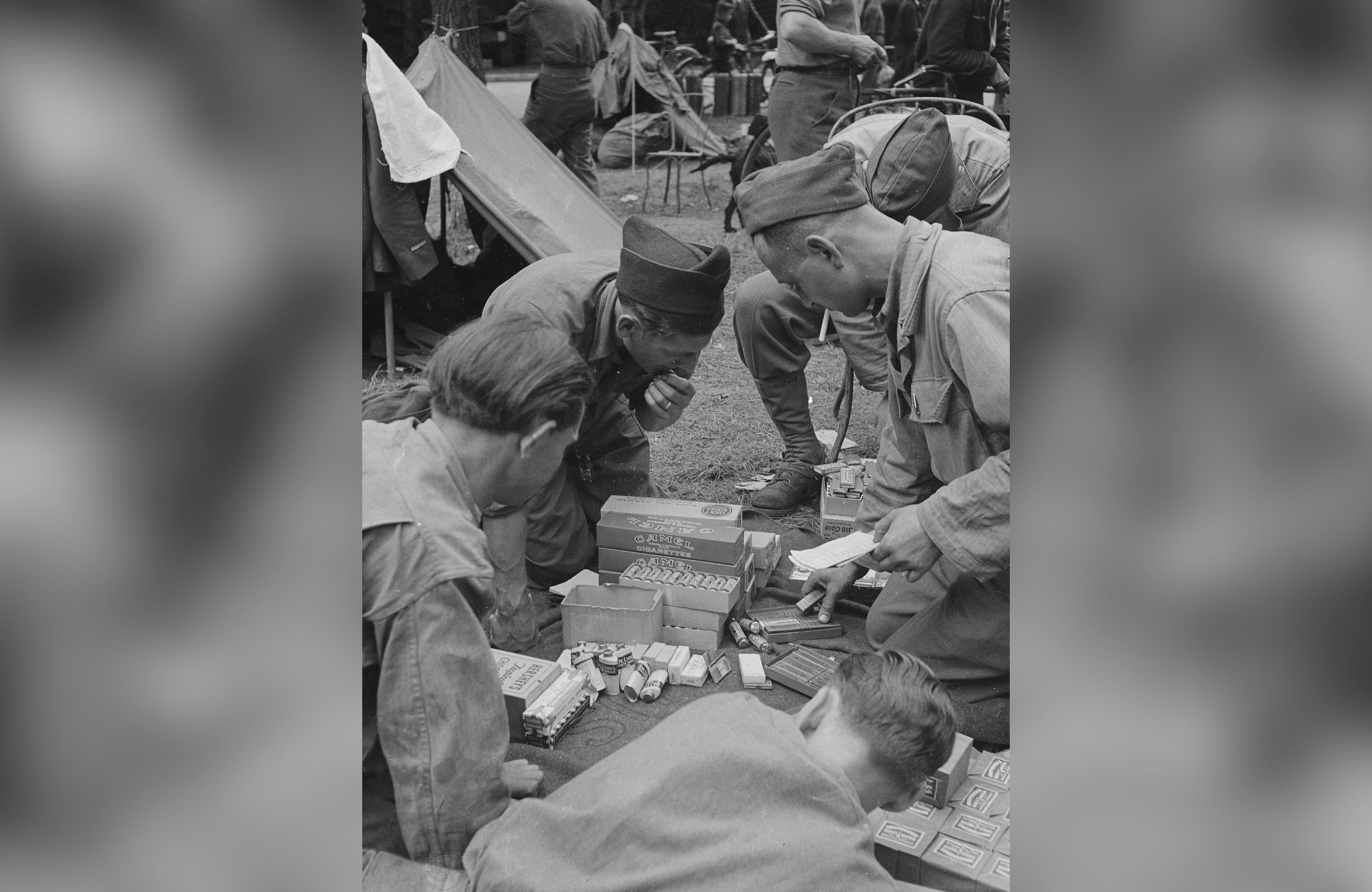
That psychological dimension became unavoidable once the U.S. military entered World War II and attempted to feed a global force at industrial scale. The Army Quartermaster Corps needed food that could survive every environment, fit inside a pocket and perform predictably under stress, priorities documented by the Smithsonian’s research on wartime ration development. Chocolate was an obvious candidate, but the version soldiers wanted and the version logisticians needed were not the same thing.
In 1937, the Army approached the Hershey Company with a blunt request: Create a bar that was high in calories, compact, heat resistant and intentionally unpleasant. The goal was to ensure troops did not eat an emergency ration out of boredom. The result was Field Ration D, which the Hershey Community Archives describes as a purpose-built survival food, rather than a morale item.
The bar’s reputation was earned. It was dense, bitter and designed to be eaten slowly, delivering roughly 600 calories per serving. Army specifications required that it taste only “a little better than a boiled potato.” Soldiers did not need to enjoy it. They needed it to exist when everything else failed.
Then the Pacific happened.
Heat and humidity erased margins for error. Even though rations became liabilities, the Army’s needs shifted from merely heat resistant to reliably heat proof. In 1943, Hershey developed the Tropical Chocolate Bar, designed to withstand extreme temperatures while improving flavor to be more palatable.
World War II forced planners to acknowledge a simple truth: a soldier’s willingness to eat matters. While emergency rations like the D ration were intentionally unpleasant to ensure they were saved for survival, chocolate in other forms served a different role, offering quick energy and a brief sense of normalcy alongside rations designed strictly for endurance.
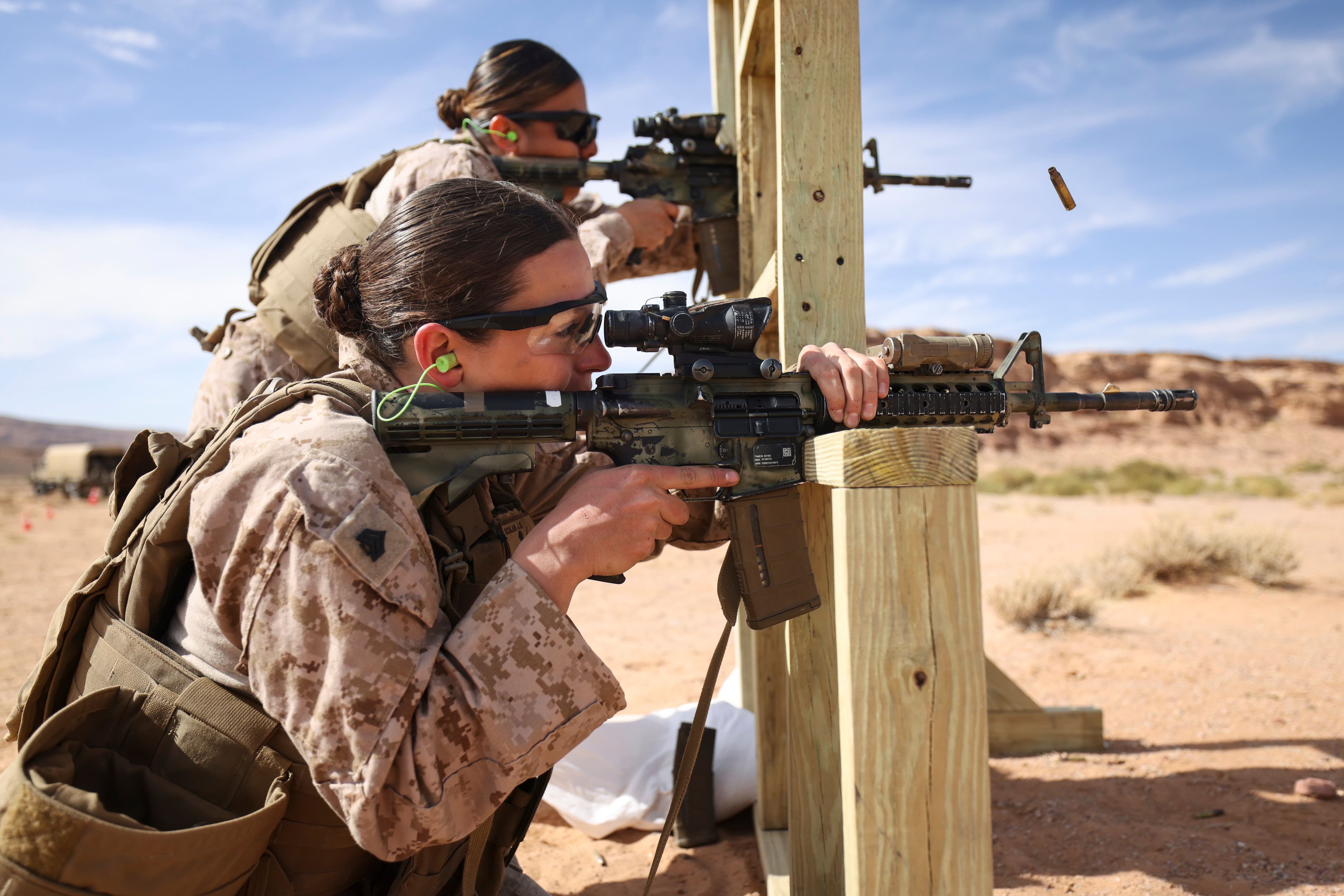
The same tension continues to shape modern ration design, driven by weight limits, packaging constraints and feedback from service members.
Chocolate’s rise from colonial drink to engineered survival ration mirrors the evolution of the U.S. military itself. Early America used it because it was available and useful, while World War II transformed it into a system defined by specifications, testing and mass production. Across centuries and conflicts, the lesson remained consistent: calories keep you moving, and morale helps you keep going.