Lawmakers have introduced bipartisan legislation in Congress that would fast-track medical care for veterans with infertility linked to hazardous exposures while serving overseas.
Rep. Kelly Morrison, an OB-GYN and Minnesota Democrat, has teamed with Rep. Jay Obernolte, R-Calif., on a bill that would make infertility a presumptive condition under the PACT Act, the 2022 legislation that expanded health care and disability benefits for post 9/11 veterans and other service members exposed to toxic substances, including burn pits.
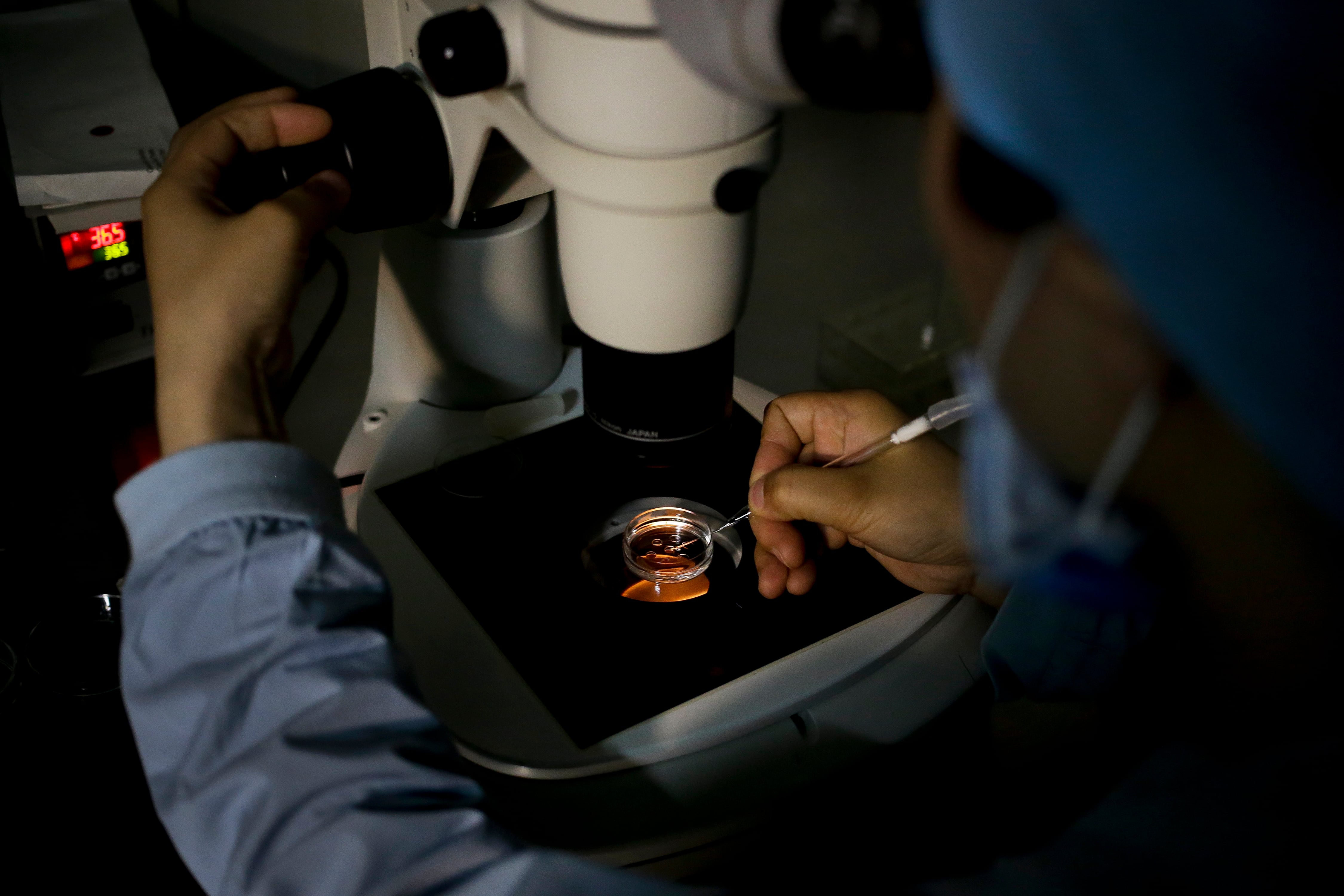
The Warrior Infertility Act would speed coverage for in vitro fertilization and other fertility treatments without requiring veterans to prove their infertility was directly tied to military service.
For veterans like Jenna Schmidtke, a former Army sergeant and medic, the change would shave months, if not years, off the claims process. Schmidtke, who deployed to Iraq in 2007, developed a disease tied to burn pits that led to infertility, and she filed a claim under the PACT Act.
But the 13-month process to receive approval stole precious time from her reproductive years, said Schmidtke, now 39.
“It’s not just a battle wound; it’s like a wound of your soul, of your very being,” Schmidtke said during an interview with Military Times. “It’s something we can address, and we can take care of our women veterans now.”
According to a 2018 survey by the Service Women’s Action Network, 37% of active-duty women faced chronic problems while trying to conceive or carry a pregnancy to term, while 30% experienced infertility while trying to get pregnant.
The infertility rate of military women is more than twice the civilian rate, according to the group.
The Department of Veterans Affairs has covered assisted reproductive technologies, including IVF and adoption fees for combat-injured veterans, since 2016. But proving their infertility is the result of a service-connected condition, other than a severe injury, remains a challenge, according to Morrison.
“Access and coverage of IVF continues to be out of reach for far too many veterans,” Morrison said in a statement Thursday. “Recognizing infertility as a service-connected condition will ensure that our veterans do not fall through the cracks.”
Roughly 43% of the 930,000 women veterans enrolled in VA health care are of reproductive age. Morrison’s office did not say how many veterans would be eligible under the bill but added that it would apply to eligible male veterans as well.
This bill is supported by several military and veterans advocacy organizations, including the Veterans of Foreign Wars, Military Officers Association of America, Disabled American Veterans and the Tragedy Assistance Program for Survivors.
It also has the support of the American College of Obstetricians and Gynecologists and the American Society for Reproductive Medicine.
“Including infertility as a presumptive condition under the PACT Act will ensure our nation’s veterans, exposed to a wide range of toxins during military service, receive the care and benefits they have earned and deserve,” TAPS President and founder Bonnie Carroll said.
Patricia Kime is a senior writer covering military and veterans health care, medicine and personnel issues.